How to Save for College: 529 Plans, Custodial Accounts and Trump Accounts

In this episode:
00:00 – 04:16: Rising Costs and Busting College Savings Myths
04:17 – 08:37: 529 Plans, Custodial Accounts and Trump Accounts
08:38 – 10:59: Balancing Savings for College and Other Expenses
11:00 – 15:05: Grandparents, Gifting and the New FAFSA Rules
15:06 – 18:11: Getting Started and Letting Compounding Work
18:12 – 21:57: Final Tips and Closing
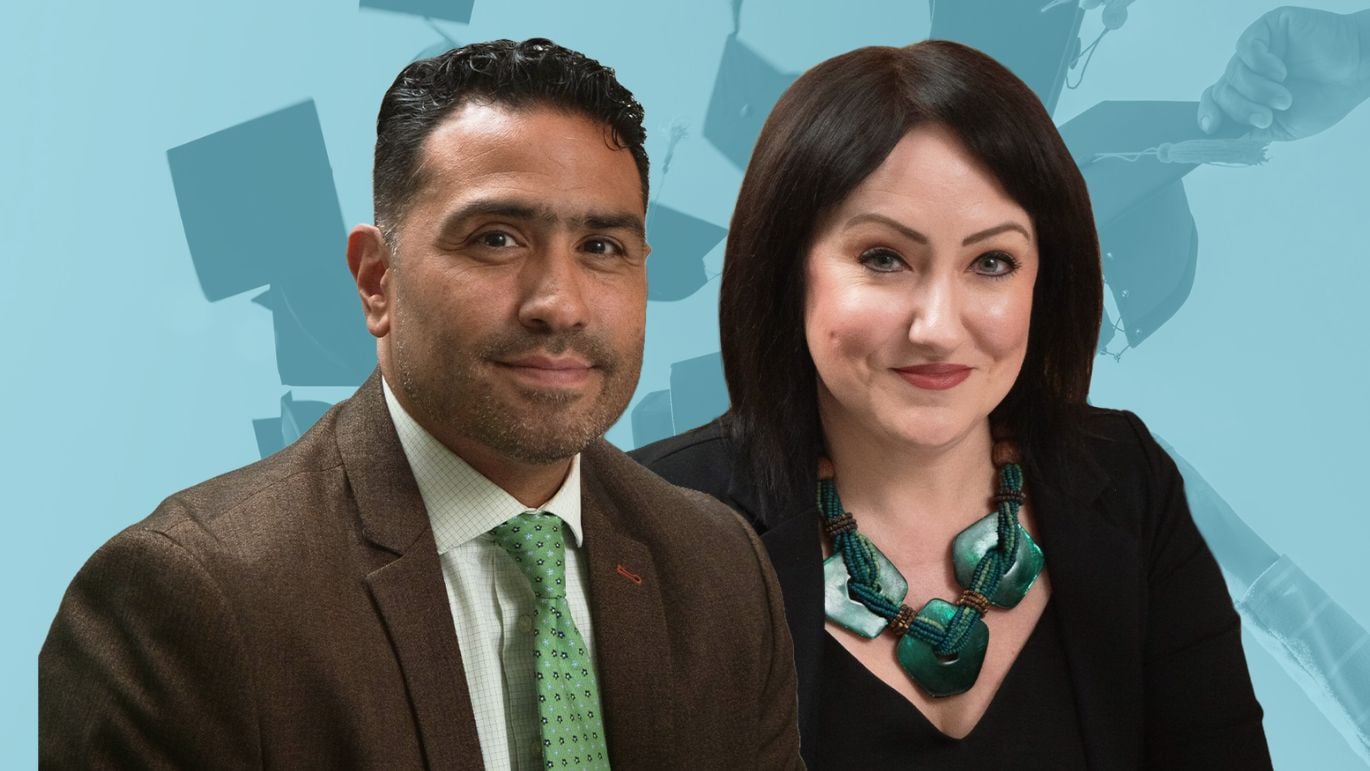
College costs are rising faster than inflation, somewhere in the 5 to 6% range every year, and financial aid rules keep shifting, leaving many families unsure of where to even begin. In this episode, CIO, Dominic Ceci sat down with SVP Wealth Advisor, Eric Bernal and VP Private Banking, Meg Marciniak, who work with families on these questions every day. Together they break down the savings vehicles, tackle common misconceptions and explain why the hardest part of the whole process is simply getting started.
5 Key Takeaways
1. Time does more work than money
Most families think the challenge is having enough money. It's actually taking the first step. Once dollars are invested, compounding interest does the heavy lifting. Just $100 a month at a modest 6% return grows to nearly $40,000 by the time a child turns 18. Eric and Meg both stress that there's no time like the present: Get the account open, get the deposits moving and let compounding interest work for you.
2. Don’t sacrifice retirement for tuition
You can borrow for a lot of things in life but you can't borrow for retirement. It's tempting to pour every spare dollar into a college fund but if it leaves you short later, you've just shifted the problem. Meg is clear: Find a number you're genuinely comfortable with and keep saving for retirement in its own separate bucket.
3. You don’t have to pick just one account
Many families assume they need to find the one "best" account and go all in. The reality is it's not all-or-nothing. 529 plans, custodial (UTM/UGMA) accounts and the new Trump accounts each have distinct trade-offs and you can blend several to hedge against an uncertain future. Custodial accounts let you gift appreciated shares and move dollars out of your estate, while 529s offer tax-advantaged growth and Trump accounts come with a $1,000 government deposit for children born 2025–2028.
4. The new FAFSA changed the game for grandparents
Under the new financial aid rules, grandparent-owned 529 plans no longer show up on the FAFSA. That used to be a real worry since grandparents helping out could actually hurt a grandchild's aid eligibility. Not anymore. And for families with estate-planning concerns, it's also a meaningful way to shift some assets to the next generation while you're still here to see the impact.
5. It’s not “set it and forget it”
A college savings plan should reflect where your child actually is in their educational journey and that changes over time. The investments you'd hold for a newborn don't make sense for a high school junior, so the portfolio needs to evolve as the deadline gets closer. Eric recommends revisiting the plan at least once a year to account for life changes, scholarships and shifting goals. Doing anything is a good thing; doing nothing is the only real mistake.
A successful college savings strategy is built on getting started early, protecting your retirement and revisiting the plan as life changes. If this episode got you thinking about your own college savings plan — whether you're just getting started, trying to do more as a grandparent or wondering if your current strategy still makes sense — take the next step and connect with an advisor today.
Frequently Asked Questions
The best first step is simply opening an account and setting up regular deposits. Time matters more than the amount you contribute. Just $100 a month at a modest 6% return grows to nearly $40,000 by the time a child turns 18, so compounding does most of the work once your dollars are invested.
Keep retirement in its own separate bucket. Find a college savings number you're comfortable with and don't let it shortchange your long-term financial security.
No, it isn't all-or-nothing. Each option comes with distinct trade-offs and many families blend several to hedge against an uncertain future. A 529 plan offers tax-advantaged growth, custodial (UTMA/UGMA) accounts let you gift appreciated shares and move dollars out of your estate and Trump accounts include a $1,000 government deposit for children born between 2025 and 2028.
Under the new financial aid rules, grandparent-owned 529 plans no longer appear on the FAFSA. For families with estate-planning goals, it's a meaningful way to pass assets to the next generation while you're still here to see the impact.
At least once a year. Reviewing annually lets you account for life changes, scholarships and shifting goals.
College costs are climbing faster than inflation — roughly 5 to 6% every year. That steady increase is one reason advisors emphasize starting early so compounding growth has time to keep pace.
Have questions?
Do you have an important financial question that our team of experienced professionals can help with? We’d love to hear from you.
Submit your question and we’ll try our best to get your question answered on our Your Money. Your Mission. podcast.
Additional Episodes
For additional episodes that will help you maximize your wealth by turning complex financial situations into actionable advice, click the button below.