How to Budget for a House: A Guide for Wisconsin Homebuyers
4 minute read time
Share
SUMMARY
A mortgage payment that fits your real life is built deliberately, not by luck. This guide breaks down every lever you control, from credit score and low down payment to loan terms, rate buydowns and down payment and grant assistance programs.
If you’ve stared at a projected monthly payment and wondered how you'd make it work, you're not alone. The good news? A mortgage payment within your budget is less about luck and more about a clear, deliberate plan. Here’s how to budget for a house that fits your real life vs. the one you qualify for:
What Actually Makes Up Your Mortgage Payment
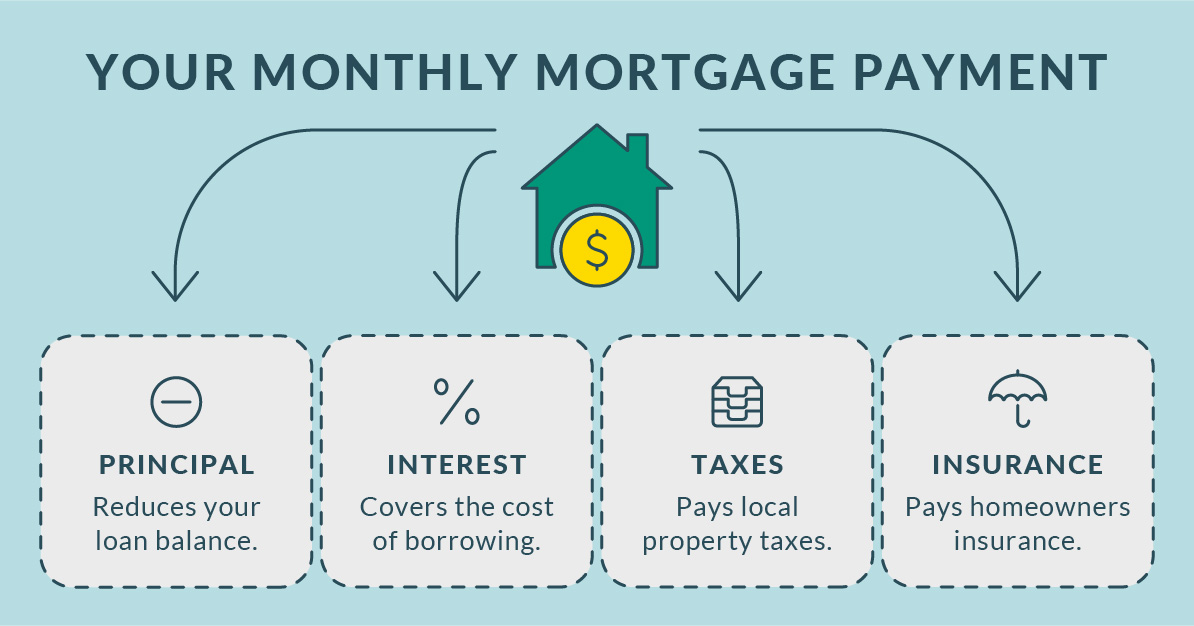
Your monthly mortgage payment is built on four core components, commonly known by the acronym PITI:
P – Principal: The portion of your payment that goes toward paying down the loan balance itself. In the early years of a mortgage, this is a small slice of the payment; it grows over time as interest shrinks.
I — Interest: The cost of borrowing the money, calculated on your remaining loan balance. Your interest rate and loan amount drive this piece and it's the largest component early in the loan.
T — Taxes: Property taxes assessed by your local municipality, typically billed annually but collected monthly as part of your payment and held in an escrow account. These often increase year over year, so budget for growth, not just today's figure.
I — Insurance: Homeowners insurance protects against damage and loss. Like taxes, it's usually escrowed and paid monthly.
Together, PITI is the number that should drive your budgeting, not just the principal and interest quote you see on a rate sheet.
Loan Choices That Shape Your Payment
30-year vs. 15-year fixed loan: Which actually makes sense today?
The 30 and 15 years represents the amortization of your loan, or simply, how many years your payments are spread out over:
30-year Fixed: This is the best choice for buyers more concerned with affordability. It's by far the most common choice for first-time homebuyers as it provides the lowest monthly payment.
20-year Fixed: This is a great option if you'd like something in the middle.
15-year Fixed: The monthly payment is higher, but you save considerable interest and build equity more expediently than with a 30-year. It's often chosen by homeowners refinancing a mortgage they've already paid on for several years or by buyers with strong income stability.
All are good financing options. The right choice depends on whether a borrower wants a more affordable monthly payment or wants to accelerate payoff of the loan and save interest.
Rate buydowns: When paying upfront pays off
A buydown is a cost paid upfront to lower your interest rate. There are two types:
Permanent Buydown: You pay extra at closing to reduce the loan's interest rate for the life of the loan. This option is good for buyers planning to stay in the home and keep the loan for a long time. It does have a higher upfront cost, so buyers are increasing their closing costs to have a lower monthly payment.
Temporary Buydown: The rate is reduced for the first few years of the loan, then returns to the original note rate. This is more short-term relief and may help buyers ease into the payment. Often, temporary buydowns are seller-funded through negotiations.
Understanding if it makes sense for you is to determine the break-even point or the cost of the buydown divided by the monthly payment savings. If the break-even point is shorter than how long you expect to be in the home or keep the loan, it's worth considering. Permanent buydowns usually need three to five years to break even. If temporary buydowns are seller-paid, it makes sense immediately but buyers need to be aware it's only a tool to keep payments low for the first few years. Both are good tools; the math just needs to match the buyer's timeline.
The Housing-Cost-to-Income Rule of Thumb
Typically, housing costs should be no more than 25–30% of gross income, but again, what you qualify for versus what you can afford comfortably are two different things. Where you aim within that range depends on where you are in your financial life:
First-time and/or Early-career Buyers: Often early in their career, with rising income, tighter savings and more monthly expenses due to things like student loan payments. Aiming for the lower end of that ratio is best for these buyers, as it keeps cash flow flexible and allows room for emergencies. Avoiding being "house-poor" right out of the gate is always a good strategy.
Mid-career Buyers: May have a little more room. Their income may be more stable, savings a bit stronger and financial habits perhaps more predictable as they've built stronger emergency reserves and can absorb increases to taxes and insurance.
Late-career and/or High-income Earners: Often can manage more. They may have higher discretionary income, larger savings buffers and housing becomes a lifestyle choice.
In all scenarios, a buyer should choose the payment that fits their current stable cash flow.
8 Practical Strategies to Keep Your Mortgage Payment Low
The biggest impact on your payment comes from what you do before you buy. Here are a few steps you can take today:
Strengthen Your Credit Score: Credit scores determine your interest rate and your PMI payment. Having a high credit score is the cheapest way to save real money on your monthly payment without increasing your down payment.
Did You Know? If your down payment is under 20%, private mortgage insurance (PMI) is added. For many buyers, PMI is what gets them into a home years sooner. PMI pricing is driven largely by your credit score and the loan amount vs. the value of the home. And depending on your long-term plans and the specifics of your financing, there may be scenarios where it makes sense to pay PMI as a lump sum rather than monthly.
Focus on the Right Price Range: Walk through your actual spending and consider the income you actually see in a month. What you qualify for versus your monthly cash flow are two different things. Having a conversation about those realities helps buyers focus on what they can realistically and comfortably manage for the long term.
Be Sure Your Job and Income are Stable: Lenders look for reliability and stable income gives you more options. But remember, your payment needs to fit not just through closing day but through real-life ups and downs. A job change, a major repair or a shift in rates shouldn't unravel your finances. Modeling those scenarios upfront turns a hopeful decision into a confident one.
Shop Your Homeowners Insurance Early: Most buyers wait until the end, but a strong quote upfront can lower your monthly payment. Once you own the home, continue to shop the insurance every year that it becomes due.
Pay Attention to the Property Taxes: This is often a surprise. As you're shopping for homes, know how this portion of the payment affects your budget. Property taxes often increase annually and sometimes drastically year over year. Being prepared for and having the monthly capacity to manage those increases is critical in the budgeting process.
The Down Payment Multiplier: The more you put down, the lower your loan amount, and typically, the lower your monthly payment. Your down payment does not have to come only from your personal savings. Qualified buyers may be able to use assistance programs and grants to help cover part of the down payment or closing costs. Even better, some programs can be layered together, or “stacked”, when the buyer, loan and property meet eligibility rules. Options such as DPP, VLP, the First Step grant and other first-time homebuyer resources can help reduce the cash needed upfront, lower the loan amount and make the monthly payment more manageable.
Refinance is Always on the Table: You can always change the financing terms after you purchase the home. Refinancing is a good option when it improves your long-term financial position by lowering your monthly payment, removes PMI, matches your financial life better and the cost pays for itself within a reasonable timeframe, all without adding unnecessary risk.
Reamortization is a Free Option: Reamortization allows you to make payments of $10,000 or more in a 12-month period toward the principal balance of your mortgage. You can significantly lower your monthly mortgage payment while keeping the same loan term and interest rate. Essentially, reamortization recalculates your loan based on the new, lower balance and the remaining term.
Your Next Step
An affordable mortgage payment doesn't happen by accident. It comes from understanding what's in your payment, preparing the levers you control, like credit score, down payment, insurance and timing and choosing a payment that fits your real cash flow, not just your qualification.
If you're a Wisconsin buyer trying to build a payment you can live with for the long haul, the right conversation can make all the difference. Talk to a mortgage officer to map your options, stress-test your payment and build a plan that keeps homeownership affordable for both today and for the years ahead.
Frequently Asked Questions
Start by separating what you qualify for from what you can comfortably afford. Build your target around the income you actually see each month rather than gross pay and aim to keep total housing costs, principal, interest, taxes and insurance, between 25% and 30% of gross monthly income. From there, the levers you control (credit score, down payment, homeowners insurance and loan term) let you fine-tune the payment. A Johnson Financial Group mortgage officer can stress-test the number against real-life scenarios so the mortgage within your budget still holds up if income or expenses shift.
Together, these make up your total monthly housing cost and are (change from "are" to "is") the number you should use for budgeting, not just the principal and interest figure on a rate sheet.
Homebuyers building a budget in Wisconsin should account for more than principal and interest. Property taxes, which often increase year over year, homeowners insurance, PMI if your down payment is under 20% and ongoing maintenance all belong in the calculation. Base the budget on your actual monthly cash flow, leave room for the unexpected and remember that there are down payment assistance programs you can utilize.
A widely used benchmark is that total housing costs should be no more than 25% to 30% of your gross monthly income. Where you land in that range depends on your stage of life: Early-career buyers are usually better served aiming for the lower end to keep cash flow flexible, while buyers with stronger savings buffers may have more room. The most reliable guide is your current stable cash flow, not the maximum a lender will approve.
Private mortgage insurance (PMI) is typically required when your down payment is less than 20% of the home's purchase price and it's priced largely on your credit score and loan-to-value ratio. PMI can usually be removed once your loan balance reaches 80% of the home's original value — something you can reach through regular payments, extra principal payments or a new appraisal if your home's value has risen. A larger down payment or a stronger credit score are the two most effective ways to lower it from the start.
It depends on your priorities. A 30-year fixed offers the lowest monthly payment and the most cash flow flexibility, which is why it's the most common choice for first-time homebuyers. A 15-year fixed carries a higher monthly payment but saves considerable interest and builds equity faster. A 20-year fixed sits in the middle. Many buyers choose the 30-year for affordability and make extra principal payments when their budget allows.
A buydown lowers your interest rate in exchange for an upfront cost. To decide, calculate the break-even point or the cost of the buydown divided by the monthly payment savings. If you expect to stay in the home or keep the loan longer than that break-even period (typically three to five years for a permanent buydown), it's worth considering. Seller-funded temporary buydowns often make sense immediately, though they only keep payments low for the first few years.
Wisconsin buyers may have access to some programs that can be layered together, or “stacked”, when the buyer, loan and property meet eligibility rules. Options such as DPP, VLP, the First Step grant and other first-time homebuyer resources can help reduce the cash needed upfront, lower the loan amount and make the monthly payment more manageable.
Yes, refinancing makes sense when it lowers your monthly payment, removes PMI or better matches your financial life and the cost pays for itself within a reasonable timeframe. The key is that the math moves in your favor. Having a lender who watches for that moment turns a one-time transaction into an ongoing partnership.